抱えた心が溢れて
I fade alone in the pale dark
跳ね返る位相
痛いの
体温で応えるのに疲れたよ
鍵は何処
護られた箱庭
広い宇宙は怖くて
浮浪する私のこども
言えないことも
してきたけど
なんて嘘だよ
変えられない構造
象徴に襲われる
外は外
より理不尽なことないでしょ
不安だよ
この世
大人なんていないの
誰が守るの
自分で守れと?
Mom
Dethrone
Glowing
Alone
WHAT DID YOU FEEL WHEN I RUINED YOUR NAME
NAME,NAME
WHAT DID YOU FEEL WHEN I RUINED YOUR NAME
NAME,NAME
YOUR NAME
WHAT DID YOU FEEL WHEN I RUINED YOUR NAME
WHAT DID YOU FEEL WHEN I RUINED YOUR NAME
YOUR NAME
WHAT DID YOU FEEL WHEN I RUINED YOUR NAME
WHAT DID YOU FEEL WHEN I RUINED YOUR NAME
YOUR NAME
WHAT DID YOU FEEL WHEN I RUINED YOUR NAME
YOUR NAME
言葉は種子でしょう
妄覚をさそうこと、
たとえそれが哀れでも
見えた本当
温もりの記憶を
数えているよ
紛いのない宝物
だから私に愛を
痛み引き換えに生まれたの
暗闇は晴れてく
護られるという幸せ
犠牲にしてでも
創世の悲劇
理性の機制
RUINED YOUR NAME
礎を壊すよ
産声がする
- Lyricist
Milky
- Composer
Milky
- Producer
Milky
- Vocals
Milky
Listen to WHAT DID YOU FEEL WHEN I RUINED YOUR NAME by Milky
Streaming / Download
- ⚫︎
WHAT DID YOU FEEL WHEN I RUINED YOUR NAME
Milky
- 2
crown
Milky
- 3
Inherited Complex
Milky
- 4
6V
Milky
- 5
picasso
Milky

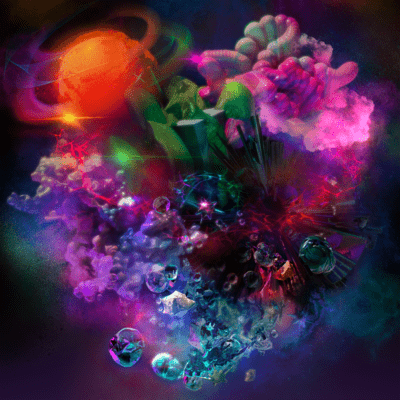
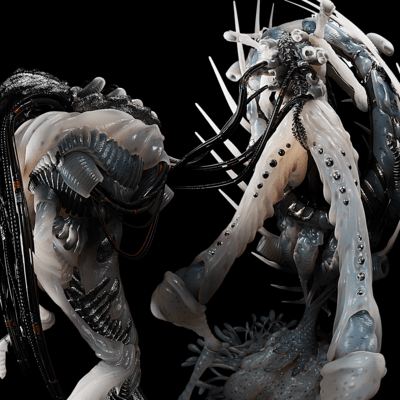
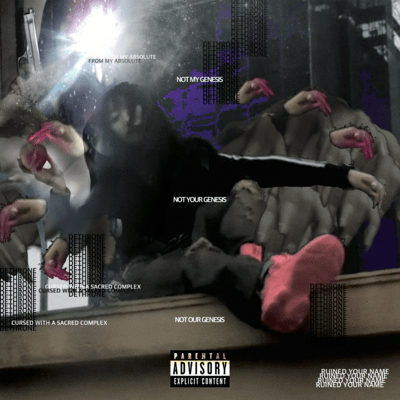
This work is a conscious rap project built on gloomy, distorted beats reminiscent of witch house and the SoundCloud scene around 2017, with all aspects of production-including the artwork-handled by Milky herself. Through themes that are both deeply personal and closely intertwined with social structures-such as the Oedipus complex, the father figure, ego and superego, and the division and reintegration of masculinity and femininity-the project articulates what can be described as "rap that verbalizes structure," expressed across layers of the body, relationships, and thought.
In contrast to certain contemporary rap scenes that emphasize material value and the display of success, this work embodies hip-hop's original role as self-critique by deliberately exposing immaturity, dependency, distorted desire, and an obsession with knowledge. It demonstrates that expression is fundamentally supported by context, lived experience, and one's attitude toward thinking itself.
Symbols such as the umbilical cord, names, and chains do not serve to romanticize family or fatherhood; rather, they reveal the inseparability of love and control, and of structural protection and violence, symbolizing the reality that has shaped and continues to influence Milky's own formation. Furthermore, by resisting fixed notions of gender and physicality, and by framing masculinity and femininity not as opposing binaries but as processes of transition and choice, the work translates coexisting inner impulses and fears into rap, aiming for a conscious expression that refuses to simplify identity.
Artist Profile
Milky
Alternative I/O IDOL
Milkyの他のリリース