


Track List


※ Preview may take some time.
※ Preview is not available for songs under copyright collective.
Inspired by Ki Kaion, Oyama Ningyo: Tatsumatsu Hachirobei's "Onikage Musashi Abumi" (1713)
Namu Sho-Hachiman: Cat Crown, Onikage, Wild Horse, Hellish Rakshasa
In December of the third year of the Shōtoku era, marking the 17th anniversary of the death of Asano Takumi-no-kami, Ki Kaion's puppet play "Onikage Musashi Abumi" was performed at the Toyotakeza Theater in Osaka. This work owes much to Azuma Sanpachi's "Onikage Musashi Abumi," which was performed at the Shinozuka Shōmatsuza Theater in Osaka in the seventh year of the Hōei era. Kuranosuke's name, like that of "Onikage Musashi Abumi," is Miyauchi Ogishi. While this work references the Akō incident in the "Taiheiki," it also deviates from that and takes up the story of Hangan Oguri and Princess Terute, an incident that occurred during the reign of Ashikaga Yoshimasa. While this work lacks structure and is not considered a masterpiece, it occupies an important position in the lineage of samurai dramas, influencing the seventh act of "Kanadehon Chushingura." This work is about Ki Kaito, a rival of Chikamatsu Monzaemon, and its content is also influenced by Chikamatsu Monzaemon's "Goban Taiheiki." Along with Chikamatsu Monzaemon's "Goban Taiheiki," "Okikage Musashi Abumi" (and its predecessor, "Okikage Musashi Abumi") is one of the sources of "Kanadehon Chushingura," and names such as Oguri Miyauchi and Oguri Hangan, which appear in this work, frequently appear in later works.
Artist Profile
Sampling 8-1-0
CORT RECORDS / sampling8-1-0 I am a beast. Updates will be a bit slow for a while. All revenue from this channel and other subscriptions will be donated to Weisser Ring. Its a group of people, but there are definitely some tracks where I am actually singing myself Bluuuuu. Only enjoy make Sound Making, Idea, Not all statements, but artworks. There are no plans for promotions or collaborations with anyone. This is a space for my hobbies. I apologize for not connecting it to other platforms, SNS. This does not represent my personal views or those of my workplace. All of them are demos, SSDs? Treasure that looks like trash and not complete packages, but it's up to everyone to listen and practice. The content here is created using programming or AI. However, we have deliberately narrowed the topics to those that are worth creating using DTM. Therefore, the revenue will be donated to the Weisser Ring and National Network Victim Support. The copyrights to these songs are centrally managed by a copyright management organization. For inquiries, please contact grooveon704@gmail.com (For more details, see the Unmanaged Works Ruling System (effective April 2026)) https://www.bunka.go.jp/seisaku/chosakuken/seidokaisetsu/chosakukensha_fumei/tyosakubutsu/index.html
Sampling 8-1-0の他のリリース
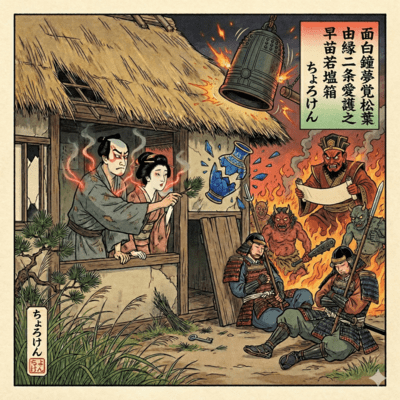 Omoshiro Kane Yumezame Matsuba Yukari Sanae Nijo No Waka Negura No Hako Choroken Sampling 8-1-0
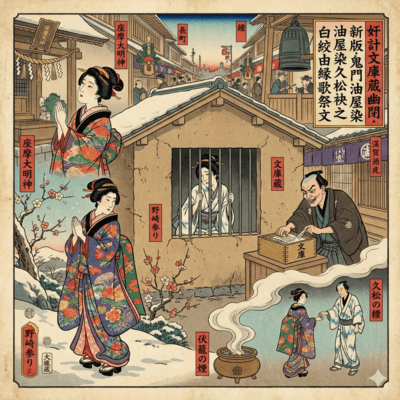 Kankei Bunko Gura Yuuhei Shinpan Kimon Aburaya Some Hisamatsu Tamoto No Shirashibori Yukari No Utazaimon Sampling 8-1-0
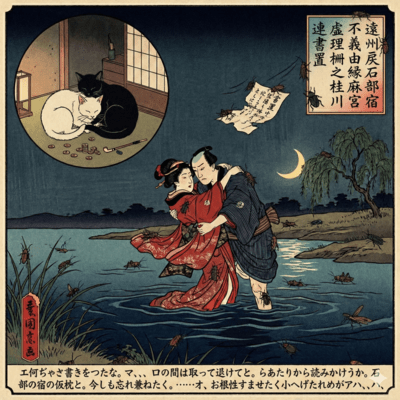 Enshumodori Ishibejuku Fugi Yukari Maronomushi Renrinoshigarami Nokatsuragawa Sampling 8-1-0
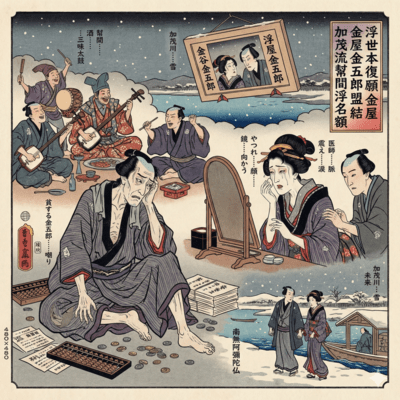 Ukiyo Honpukunegai Kanayakingoro Chikaimusubu Kamononagare Taikomochi Ukinanogaku Sampling 8-1-0


Share this Page
SNS


Copy URL
https://linkco.re/yNEYfQ5yCopy Embed Code
<iframe src=https://linkco.re/embed/yNEYfQ5y width="300" height="600" frameborder="0"></iframe>