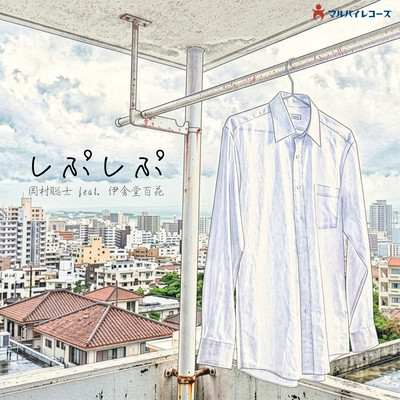
雨上がりのベランダで
風に揺れてる君の白いシャツ
もう洗濯しなくても
いいのに私何をしてんだろ
繋いだ手を振りほどいたのは
私の方なのに今さらおかしいよね
しぷしぷしてる
この胸の奥が
後悔なんてしちゃいないんだけど
しぷしぷしてる
君が置いてった物なんか捨てりゃいいのに
なんでかね
消しそびれていた名前
思わず指先が迷い込む
送りかけた言葉を眺めて
深くため息つく自分が悔しいよね
しぷしぷしてる
まだ胸の奥が
涙の一粒も無かったクセに
しぷしぷしてる
戻りたいなんて1ミリも思わないのに
なんでかね
君を愛し愛された日々は
たぶんこれからも
温もりを変えて
私の中に残るの
しぷしぷしてる
この胸の奥の
窓を開け新たな風を通せば
しぷしぷしてた
ことさえ忘れるくらい
知らぬ間にさらりと
乾くよね
くすんだ空も必ず
晴れるよね
- Lyricist
Satoshi Okamura
- Composer
Satoshi Okamura
- Producer
Satoshi Okamura
- Recording Engineer
Satoshi Okamura
- Mixing Engineer
Satoshi Okamura
- Mastering Engineer
Satoshi Okamura
- Guitar
Satoshi Okamura
- Keyboards
Satoshi Okamura
- Synthesizer
Satoshi Okamura
- Vocals
Yuka Ishadou
- Piano
Satoshi Okamura
- Organ
Satoshi Okamura
- Programming
Satoshi Okamura
- Other Instruments
Satoshi Okamura
Listen to Shipushipu (feat. Yuka Ishadou) by Satoshi Okamura
Streaming / Download
- ⚫︎
Shipushipu (feat. Yuka Ishadou)
Satoshi Okamura
"Shipushipu" - Have you ever heard a breakup song like this?
"Shipushipu" is the second release in "Koe Musubi Project," a featuring series produced by Okinawan singer-songwriter and Ryukyuan classical musician Satoshi Okamura, born in Naha and Kin Town, Okinawa.
The song features Okinawan sanshin singer-songwriter Momoka Ishado, also from Naha. Acoustic guitar and sanshin blend with a warm, folk-inspired band sound to tell a bittersweet story of love after goodbye.
"Shipushipu" is an Okinawan expression describing something that is still slightly damp, like laundry that hasn't quite dried. The word may not be familiar to every Okinawan, as its use can vary by generation and region.
In the song, "shipushipu" becomes a metaphor for a heart that has not quite dried after a breakup. There is no regret, and no desire to go back-yet somehow, something deep inside still feels a little damp. Ishado's voice, with its subtle Okinawan breeze, gently brings this delicate emotion to life.
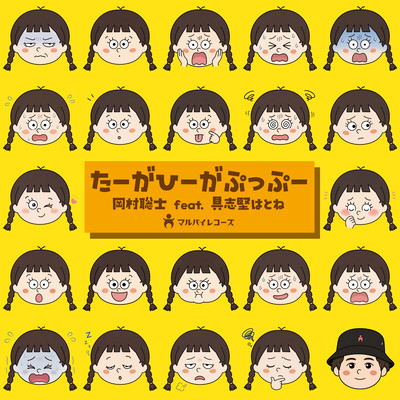
Satoshi Okamura handled the entire production, from songwriting, composition, arrangement, recording, mixing, and mastering to the cover artwork and music video.
Artist Profile
Satoshi Okamura
A singersongwriter originally from Naha City and Kin Town in Okinawa, Japan, he is known for his distinctive musical style that blends a wide range of genres with the unexpected charm of the Okinawan language (Uchinaaguchi). He made his debut as a songwriter in 1996 with "Style," a song recorded by Fumiya Fujii on his album TEARS. After resuming his solo career at the end of 2007, he has established himself not only as a singer-songwriter but also as a prolific lyricist, composer, arranger, and sanshin performer. His works have been recorded by both independent and major label artists, while his sanshin playing has appeared on numerous recordings across various genres. In November 2015, he released his long awaited first full length album, Irumancha, nationwide in Japan. Since 2018, he has devoted himself once again to the study of Ryukyuan classical music. In 2024, he passed the Highest Division of the Afusoryu Sanshin category at the Ryukyu Classical Performing Arts Competition, organized by The Ryukyu Shimpo. He also earned a certified instructor's license from the Genseikai Association of Ryukyuan Classical Music (Afuso-ryu). His work in film includes arranging the theme song and ending theme, as well as composing and arranging part of the original score for the 2021 film Nankurunaisa: The Movie "As Long As We Live, We Never Die". His song "Ichiyatin"was selected as the official inspired-by song for the 2022 film Shimamori no To. In the summer of 2025, he performed the sanshin for songs featured in the film Army on the Tree, sung by Kaori Futenma. Based in Tokyo, he continues to perform, compose, and collaborate on projects throughout Japan, while sharing the rich musical traditions of Okinawa with contemporary audiences.
Satoshi Okamuraの他のリリース
Yuka Ishadou


Marubai Records
