


Track List


※ Preview may take some time.
※ Preview is not available for songs under copyright collective.
Inspired by Tsuruya Nanboku IV
The Phantom Posthumous Masterpiece / Kabuki Play
"Jakko Kadomatsu Go Manzai" (The Afterlife New Year's Dance) (1829)
[History and Overview of the Play]
Created in the 12th year of Bunsei (1829).
Known as the "Phantom Posthumous Work" of Tsuruya Nanboku IV (Great Nanboku), written by the playwright himself for his own funeral upon realizing his approaching death.
It was not performed as a commercial play but is legendary for being distributed to attendees at Nanboku's funeral or performed as entertainment, making it an extremely unique work.
[Highlights: The Manzai of the Corpse and the Monk]
1. Resurrection of the Dead:
In the middle of the wake, Nanboku's corpse rises from the coffin and begins to dance, treating the chanting monk as his comedy partner (Saizo). A surreal and grotesque composition.
2. Funeral Satire:
Dialogue that thoroughly satirizes the "money" and "greed" surrounding death, such as prices for posthumous Buddhist names, incense offerings, and inheritance disputes.
3. The Farewell Dance:
A dry, frantic dance number that eliminates sentimentality, embodying his philosophy: "As long as evil exists, the world will never end."
Artist Profile
Sampling 8-1-0
CORT RECORDS / sampling8-1-0 I am a beast. Updates will be a bit slow for a while. All revenue from this channel and other subscriptions will be donated to Weisser Ring. Its a group of people, but there are definitely some tracks where I am actually singing myself Bluuuuu. Only enjoy make Sound Making, Idea, Not all statements, but artworks. There are no plans for promotions or collaborations with anyone. This is a space for my hobbies. I apologize for not connecting it to other platforms, SNS. This does not represent my personal views or those of my workplace. All of them are demos, SSDs? Treasure that looks like trash and not complete packages, but it's up to everyone to listen and practice. The content here is created using programming or AI. However, we have deliberately narrowed the topics to those that are worth creating using DTM. Therefore, the revenue will be donated to the Weisser Ring and National Network Victim Support. The copyrights to these songs are centrally managed by a copyright management organization. For inquiries, please contact grooveon704@gmail.com (For more details, see the Unmanaged Works Ruling System (effective April 2026)) https://www.bunka.go.jp/seisaku/chosakuken/seidokaisetsu/chosakukensha_fumei/tyosakubutsu/index.html
Sampling 8-1-0の他のリリース
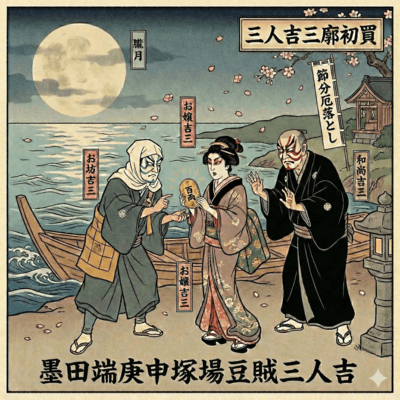 Sumida Riverbank, Koshin Mound Scene, The Bean Bandits, Three Kichisas Sampling 8-1-0
 Jakko, Great Nanboku, Pine Decoration, After, Underworld Milestone 1829 Sampling 8-1-0
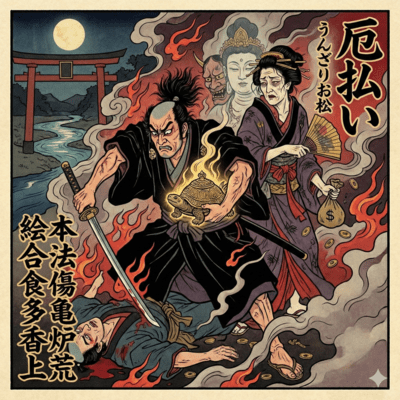 Picture Book Gappo, Fed-up Matsu, Taga's Turtle Burner, Highway Heist Sampling 8-1-0
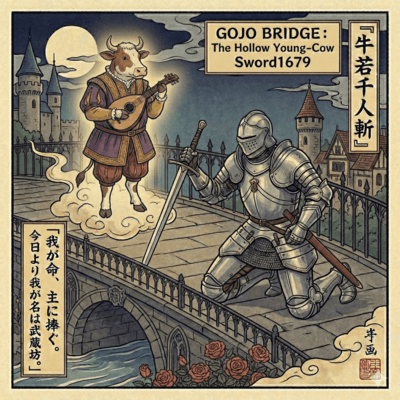 GOJO BRIDGE: The Hollow Young-Cow Sword1679 Sampling 8-1-0


Share this Page
SNS


Copy URL
https://linkco.re/NcCu4vT5Copy Embed Code
<iframe src=https://linkco.re/embed/NcCu4vT5 width="300" height="600" frameborder="0"></iframe>