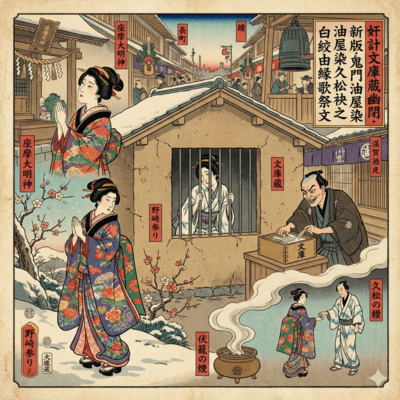
Kankei Bunko Gura Yuuhei Shinpan Kimon Aburaya Some Hisamatsu Tamoto No Shirashibori Yukari No Utazaimon


Track List


※ Preview may take some time.
※ Preview is not available for songs under copyright collective.
Inspired by Chikamatsu Hanji's "Osome Hisamatsu's White Striped Sleeves" or "Shinpan Utazaimon" or "Shinju Kimonkaku" (1780)
Emphasis added by Kuroki Kanzo
According to Kuroki Kanzo's theory, the incident that inspired this work occurred in 1708.
The incident was later dramatized and circulated as a kasaimon. It was first staged in 1707 as the kabuki kyogen "Shinju Kimonkaku," but the work that directly influenced "Shinpan Utazaimon" was the puppet joruri "Osome Hisamatsu's White Striped Sleeves," which premiered at the Toyotake-za Theater in 1711. "Shinpan Utazaimon" is a masterpiece of shosagoto (traditional Japanese dance) and has been repeatedly re-created by various schools.
Based on the double suicide of Osone and Hisamatsu, "Shinban Utasaibun" vividly depicts the customs and customs of the An'ei era. The Nozaki Village section in particular was entirely Hanji's creation. While considered a domestic drama, it is a kabuki-style work incorporating elements such as villainous machinations, sword investigations, and the sorrow of repentance.
Osone, the daughter of an oil shop owner, and Hisamatsu, an apprentice with samurai roots, fall in love despite their different social status, but Osone's parents have exchanged betrothal gifts with those of another family. Separated by a cunning scheme, Hisamatsu returns to his hometown of Nozaki Village to marry Omitsu, the biological daughter of his adoptive parents. Osone then appears and announces her pregnancy, declaring that she would rather die than be separated from Hisamatsu. Jealous yet aware of their resolve, Omitsu retires and becomes a nun. Upon Hisamatsu's return to Osaka, news of the restoration of his family's fortunes awaits. However, he is framed for the theft of the dowry through a cunning scheme and locked up in the storehouse.
Okatsu's true intentions and her love for Hisamatsu (The Oil Shop Scene)
This is the core of the story, revealing that Okatsu, Hisamatsu's stepmother (the widow of his employer), who appeared to have bullied him, had in fact deliberately estranged him from his daughter Osome in order to restore his samurai status, raise the dowry, and retrieve the sword.
Artist Profile
Sampling 8-1-0
CORT RECORDS / sampling8-1-0 I am a beast. Updates will be a bit slow for a while. All revenue from this channel and other subscriptions will be donated to Weisser Ring. Its a group of people, but there are definitely some tracks where I am actually singing myself Bluuuuu. Only enjoy make Sound Making, Idea, Not all statements, but artworks. There are no plans for promotions or collaborations with anyone. This is a space for my hobbies. I apologize for not connecting it to other platforms, SNS. This does not represent my personal views or those of my workplace. All of them are demos, SSDs? Treasure that looks like trash and not complete packages, but it's up to everyone to listen and practice. The content here is created using programming or AI. However, we have deliberately narrowed the topics to those that are worth creating using DTM. Therefore, the revenue will be donated to the Weisser Ring and National Network Victim Support. The copyrights to these songs are centrally managed by a copyright management organization. For inquiries, please contact grooveon704@gmail.com (For more details, see the Unmanaged Works Ruling System (effective April 2026)) https://www.bunka.go.jp/seisaku/chosakuken/seidokaisetsu/chosakukensha_fumei/tyosakubutsu/index.html
Sampling 8-1-0の他のリリース
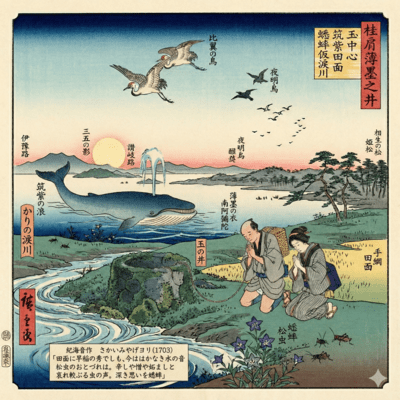 Katsura Kata Usuzumi No Idama Shinju Tsukushi Tanomo Koorogi Kari No Namidagawa Sampling 8-1-0
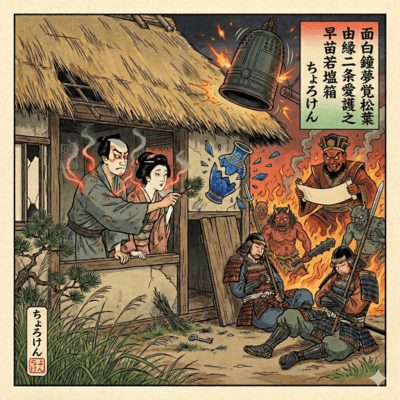 Omoshiro Kane Yumezame Matsuba Yukari Sanae Nijo No Waka Negura No Hako Choroken Sampling 8-1-0
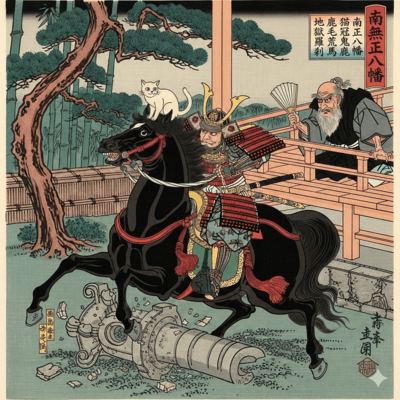 Namu Shohachiman Nekokaburi Onikage Arauma Jigoku Rasetsu Sampling 8-1-0
 Enshumodori Ishibejuku Fugi Yukari Maronomushi Renrinoshigarami Nokatsuragawa Sampling 8-1-0


Share this Page
SNS


Copy URL
https://linkco.re/Yp9D193HCopy Embed Code
<iframe src=https://linkco.re/embed/Yp9D193H width="300" height="600" frameborder="0"></iframe>