


Track List


※ Preview may take some time.
※ Preview is not available for songs under copyright collective.
Inspired by Chikamatsu Monzaemon's "Dare ga Sode" and "Kamikata no Utai Hajime" (1698)
Historical Background and Worldview
Era: Genroku to Hoei eras (early 1700s). Townspeople culture flourished, and the performing arts (Noh, Joruri, and Shamisen) held a high status.
Location: Kyoto. From the provinces, "kamikata" refers to traveling to Kyoto or Osaka.
On the second day of the New Year, this solemn ceremony marks the first utai performance of the year. Failure is unacceptable in front of the master and patron, and the performance's reputation determines the fate of the year and even one's career.
A young entertainer (or his wife) from the provinces. Though talented, she is scorned by Kyoto's performers as a "country bumpkin."
Early spring in Kyoto. The protagonist is about to perform in the once-in-a-lifetime "utai hajime" performance.
However, behind the scenes, rivals are engaging in insidious harassment, such as hiding shoes, ripping costumes, and poisoning water. On the surface, they greet each other with smiles and "congratulations," but behind fans they are uttering curses, saying things like "Fail" and "I hope your throat gets destroyed." Amidst the extreme tension and malice of those around them, the protagonist's mind becomes disoriented, and the "Takasago" chant, which should be a congratulatory speech, begins to sound like a curse...
Excerpts from the actual script
"My sandals are gone..."
"My tabi socks are gone..."
"Who hid them..."
"Barefoot..."
"The floor is cold..."
"Like ice..."
"Mean..."
"That girl is laughing..."
"My gala dress..."
"It's torn..."
"Ripping..."
"Traces of scissors..."
"Red on the thong..." lining...)
"Like blood..."
"Rags..."
"Can't wear it..."
"It's awful..."
"Cruel / Tragic..."
"Water... please..."
"Throat is... dry..."
"Strange... taste..."
"Bitter..."
"Numb..."
"Voice... won't come out..."
"There's a needle... inside..."
"Don't drink..."
drink...)
Artist Profile
Sampling 8-1-0
CORT RECORDS / sampling8-1-0 I am a beast. Updates will be a bit slow for a while. All revenue from this channel and other subscriptions will be donated to Weisser Ring. Its a group of people, but there are definitely some tracks where I am actually singing myself Bluuuuu. Only enjoy make Sound Making, Idea, Not all statements, but artworks. There are no plans for promotions or collaborations with anyone. This is a space for my hobbies. I apologize for not connecting it to other platforms, SNS. This does not represent my personal views or those of my workplace. All of them are demos, SSDs? Treasure that looks like trash and not complete packages, but it's up to everyone to listen and practice. The content here is created using programming or AI. However, we have deliberately narrowed the topics to those that are worth creating using DTM. Therefore, the revenue will be donated to the Weisser Ring and National Network Victim Support. The copyrights to these songs are centrally managed by a copyright management organization. For inquiries, please contact grooveon704@gmail.com (For more details, see the Unmanaged Works Ruling System (effective April 2026)) https://www.bunka.go.jp/seisaku/chosakuken/seidokaisetsu/chosakukensha_fumei/tyosakubutsu/index.html
Sampling 8-1-0の他のリリース
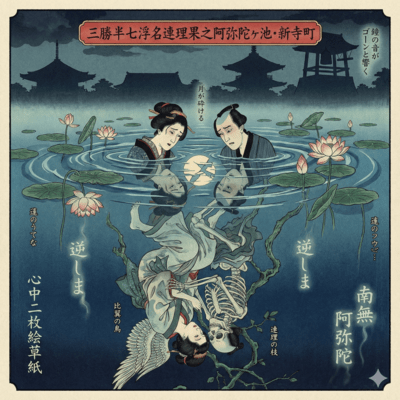 Sankatsu Hanshichi Ukina Renri no Hate no Amidagaike - Shinteramachi Sampling 8-1-0
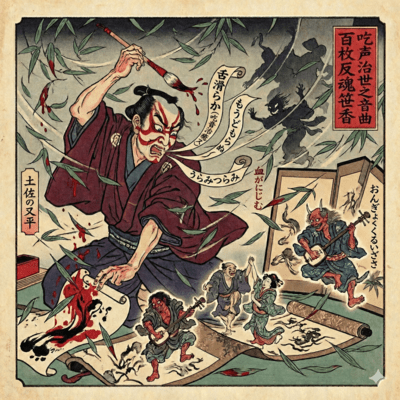 Kitsusei Chisei no Ongyoku Hyakumai Hangon Sasako Sampling 8-1-0
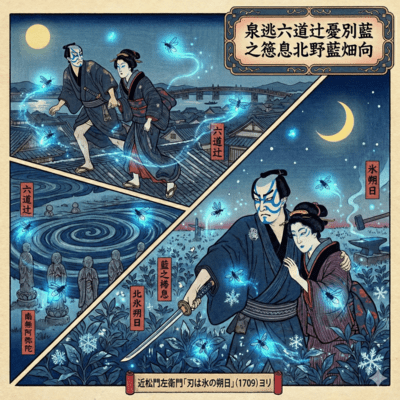 Izumi Nige Rokudo Tsuji Ukiwakare Ai no Mushiriiki Kitano Aibatake Mukau Koori no Tsuitachi Sampling 8-1-0
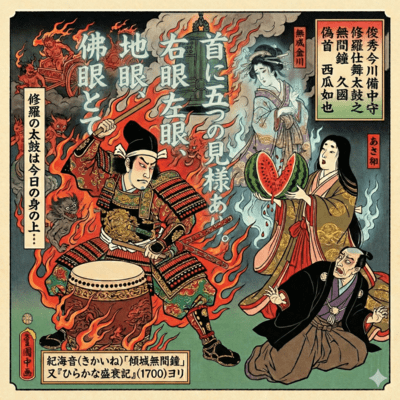 Toshihide Imagawa Bitchu-no-kami Gozen Shura Shimai-daiko Mugen no Kane Hisakuni Nisekubi Suika no Gotoki Nari Sampling 8-1-0


Share this Page
SNS


Copy URL
https://linkco.re/09ha5PVcCopy Embed Code
<iframe src=https://linkco.re/embed/09ha5PVc width="300" height="600" frameborder="0"></iframe>