優しい声で
「大丈夫だよ」って
注射器と一緒に
白い粉
眠れないでしょ
疲れてるだけ
そう言われるたび
疑うのをやめた
予定も感情も
ぼやけていって
泣いてた理由さえ
思い出せなくて
私の代わりに
決める人が
いつの間にか
隣にいた
おかしいって
思う前に
安心する癖が
ついていた
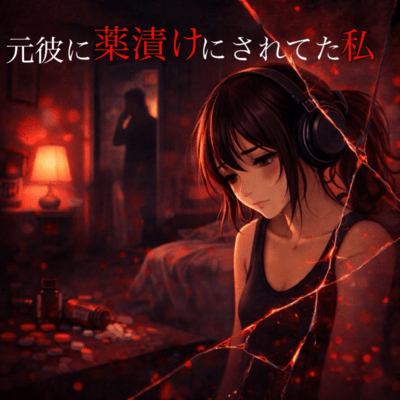
元彼に
薬漬けにされてた私
安心って言葉が
鎖みたいだった
嫌だって
言えなかった私
静かになるほど
いい子だと
褒められた
薬を打たれて
拒否も失くして
同じ夜を
何度もなぞってた
眠るか
抱かれるか
それ以外の未来を
知らなかった
友達の名前
思い出せなくて
「大丈夫?」って
笑われた
怒ると
また量が増えて
おとなしくなると
優しくなった
元彼に
薬漬けにされてた私
従うことが
生き方みたいで
望んでないのに
身体だけが残って
気持ちは
どこかで
止まったまま
誰も縛ってないのに
動けなかった
私が私じゃ
なくなるみたいで
「君のため」
その一言が
全部
正しい気がした
壊れてたのは
関係じゃなく
感覚の方
だった
元彼に
薬漬けにされてた私
弱かったんじゃない
信じてただけ
抜け出した今も
後遺症みたいに
自分の判断を
確かめながら
生きてる
薬は
もうやっていなき
でも
朝はゆっくり
自分で選ぶ
この時間を
取り戻すみたいに
呼吸してる
- Lyricist
510
- Composer
510
- Producer
Darenimoienai
- Graphic Design
Darenimoienai
- Vocals
Darenimoienai
Listen to I Was Drugged by My Ex by Darenimoienai
Streaming / Download
- ⚫︎
I Was Drugged by My Ex
Darenimoienai
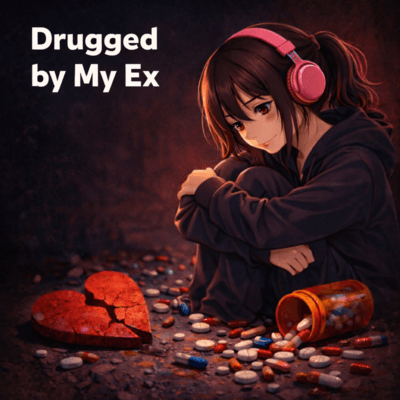
"I Was Drugged by My Ex" is a quiet, unflinching song about abuse that does not arrive as obvious violence, but as care, reassurance, and trust.
At the core of this song is not the question "Why didn't she escape?"
It is about how the ability to doubt, to judge, and to choose was slowly taken away.
The abuser is never loud or openly cruel.
Instead, he says "It's okay," "You're just tired," "This is for you."
Through those words, decisions are made on her behalf, emotions are numbed, and resistance fades-not because she agreed, but because thinking itself became impossible.
The repeated line "I was drugged by my ex" is not something the narrator understood in real time.
It is a realization that only comes after escaping.
While living inside the relationship, the situation did not feel abnormal-only safe, quiet, and controlled.
That delay in awareness weighs heavily over the entire song.
As the story unfolds, the song reveals a crucial truth:
what was broken was not the relationship, but her senses and judgment.
The lasting damage of control is not only physical or emotional-it is the fear of trusting one's own decisions afterward.
The outro avoids dramatic recovery.
Instead, it ends with something smaller and more real:
slow mornings, conscious breathing, choosing time for oneself.
Healing here is not heroic-it is careful, fragile, and deliberate.
This song does not accuse for spectacle.
It does not sensationalize trauma.
It quietly affirms this truth:
She was not weak.
She trusted.
And even now, as she double-checks every choice she makes,
she is still living-on her own terms.
It is a song that speaks for those who could not name what was happening at the time,
and gently leaves behind one message:
What happened was not your fault.
Artist Profile
Darenimoienai
A female vocalist who turns unspoken feelings into music. With a delicate, whisper-like voice and deeply emotional delivery, she captures heartbreak, loneliness, longing, and the quiet weight of midnight thoughts. Blending J-Pop, lo-fi, and ballads, her multilingual lyrics (Japanese, Korean, English) create a borderless sense of intimacy and connection. Her concept is simple: to sing the words you were never able to say, offering songs that feel like a late-night companion in your headphones.
Darenimoienaiの他のリリース

Mr.510 inc.


