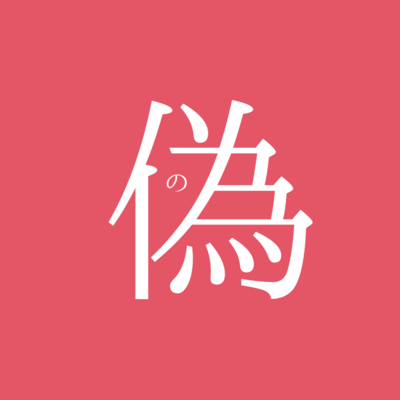
「人の為」って書いて「偽」
誰が決めた皮肉だろう
善意の仮面 被るくらいなら
素顔の悪意の方が 美しい
献身は 自己満足の変形で
利他は 利己の言い訳
だから僕は 認めてる
全部 自分の為だって
正直者が バカを見る?
いいさ バカで構わない
偽善より 醜悪なのは
偽善を隠す 偽善だ
やりたいように やる それだけ
誰の許可も いらない
愛したいから 勝手に愛する
返事なんて 期待してない
こんな歌も 自己愛の延長
でも嘘より 綺麗だろう?
今日も書く 明日も書く
僕の為の 僕の歌を
感謝されたくて 優しくする
褒められたくて 頑張る
その醜さを 認めた時
初めて 人間になれた
聖人君子の コスプレより
煩悩まみれの 素顔がいい
清濁 併せ呑むんじゃない
濁りこそが 本質だ
オスカー・ワイルドが 笑ってる
「誠実さは 最高の偽善」だって
じゃあ偽善の偽善は 誠実か?
二重否定で 真実か?
どうでもいい そんな言葉遊び
僕は僕を 愛したいだけ
やりたいように やる それだけ
世界の為なんて 嘘つかない
愛したいから 勝手に愛する
見返りは 自己満足でいい
こんな歌も 自慰行為の派生
でも偽善より 正直だろう?
今日も書く 死ぬまで書く
僕の為の 僕の墓標を
人の為なんて
偽の語源だろう?
だから僕は
僕の為に生きていく
- Lyricist
nought
- Composer
nought
- Producer
nought
- Guitar
nought
- Bass Guitar
nought
- Drums
nought
- Keyboards
nought
- Vocals
kuu
- Songwriter
nought
- Programming
nought
Listen to Hitonotame by zeroichinoaida
Streaming / Download
- ⚫︎
Hitonotame
zeroichinoaida
This track draws inspiration from the ironic structure of the Japanese language, where the phrase "for others' sake" literally constructs the character for "falsehood" . Through literary yet provocative lyrics, it explores the self-love hidden behind altruism, the self-satisfaction disguised as goodwill, and the multilayered structure of hypocrisy.
Quoting Oscar Wilde's paradox that "sincerity is the ultimate hypocrisy," the work questions contemporary notions of "righteousness." In the seemingly selfish declaration of "doing what I want to do," the track reveals Rei-ichi no Aida's characteristic art-for-art's-sake approach, finding authenticity in apparent selfishness.
Sonically, the track features driving piano influenced by Japanese alternative rock and an emotionally charged guitar solo. AI vocalist kuu's transparent voice lends an unexpected beauty to the cynical lyrics.
This is perhaps the purest expression of Rei-ichi no Aida's philosophy that "everything is fake, and originals don't exist." The self-referential structuredenying hypocrisy while acknowledging that denial itself might be hypocriticalconfronts listeners with the fundamental question: "What is true kindness?"