


Track List


※ Preview may take some time.
※ Preview is not available for songs under copyright collective.
Inspired by Kana Zoushi / Bunraku puppet theater "Honcho Hanjo" (1741)
Tamenaga Tarobei
Matsuwakamaru's Live Copy of Umewaka and Sumida's Madarajo: Their Words, Musubi, Yomiuri
Synopsis
Title: Honcho Hanjo (Honcho Hanjo), Honcho Hanjo no Ougi (Honcho Hanjo's Fan)
Character: Published in the Edo period. A Japanese adaptation of the story of Madarajo (Hanjo).
Plot: The story involves a wish for a rendezvous with Matsuwaka, and the fan is treated as an important item.
Era/Setting
Era (Composition/Premiered): Mid-Edo period. Premiered on March 4, 1741 (the first year of the Kanpo era) at the Toyotake-za Theater in Osaka.
Artist: Tamenaga Tarobee
Background: This tale of family feud and tragedy fuses two legends (the Umewaka legend): the Noh masterpiece "Hanjo" (the tragic love story between the courtesan Hanako and Yoshida Shosho) and "Sumida-gawa" (the tragic story of Umewakamaru's abduction and untimely death, and his mother's frenzied search for her child).
A chronicle that teaches people its teachings.
The two Yomiuri Shimbun members
A woman called Madara-jo
holds a fan
She withdraws into herself, refusing to face anyone.
Madarjo, holding her unsheathed sword, chokes as she holds it in her hand.
Madarjo claps her hands.
"Is this my son, Matsuwaka?"
Madarjo has made a vow to Madara-jo, and even when we meet, we cannot even exchange words.
Perhaps he had guessed the loneliness in his heart.
I splashed myself on the bridge,
The tears I shed felt like rain falling on the tomabune.
It was just a dream,
Even in the village of Mishima.
I could not hide.
It symbolizes impermanence.
... The two Yomiuri ladies,
Madarome,
Holding a fan,
withdrew into her room, refusing to face anyone.
Madarome, holding her sword, began to sob.
Madarome clapped her hands.
"Is this my son, Matsuwaka?"
Madarome made a vow to her,
Even when they met, they could not even exchange words.
Artist Profile
Sampling 8-1-0
CORT RECORDS / sampling8-1-0 I am a beast. Updates will be a bit slow for a while. All revenue from this channel and other subscriptions will be donated to Weisser Ring. Its a group of people, but there are definitely some tracks where I am actually singing myself Bluuuuu. Only enjoy make Sound Making, Idea, Not all statements, but artworks. There are no plans for promotions or collaborations with anyone. This is a space for my hobbies. I apologize for not connecting it to other platforms, SNS. This does not represent my personal views or those of my workplace. All of them are demos, SSDs? Treasure that looks like trash and not complete packages, but it's up to everyone to listen and practice. The content here is created using programming or AI. However, we have deliberately narrowed the topics to those that are worth creating using DTM. Therefore, the revenue will be donated to the Weisser Ring and National Network Victim Support. The copyrights to these songs are centrally managed by a copyright management organization. For inquiries, please contact grooveon704@gmail.com (For more details, see the Unmanaged Works Ruling System (effective April 2026)) https://www.bunka.go.jp/seisaku/chosakuken/seidokaisetsu/chosakukensha_fumei/tyosakubutsu/index.html
Sampling 8-1-0の他のリリース
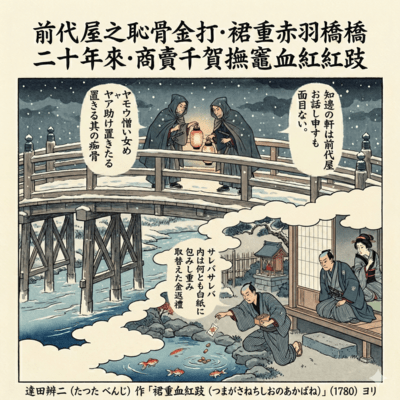 Zendaiya No Chikotsu Kinchou Tsumagasane Akabanebashi Nijunenrai Shoubai Chika Nadegama Chishio No Akabane Sampling 8-1-0
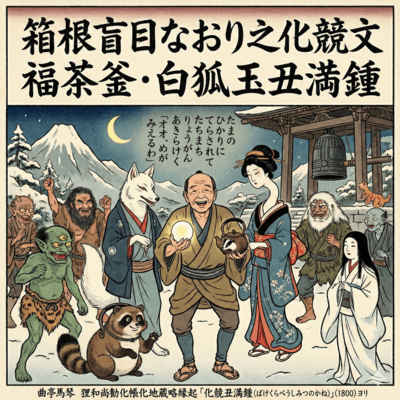 Hakone Momoku Naori No Bakekurabe Bunbukuchagama Byakkotama Ushimitsunokane Sampling 8-1-0
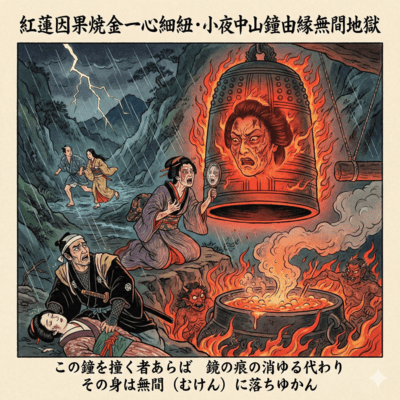 Guren Inga Yakigane Isshin Hosohimo Sayononakayama Kane Yuen Mukenjigoku Sampling 8-1-0
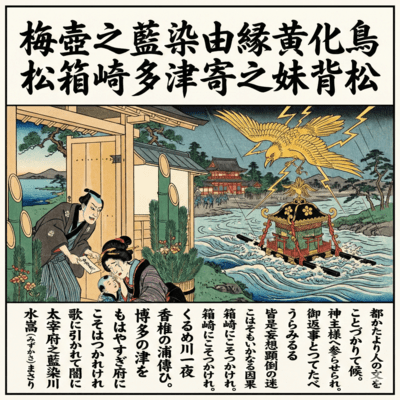 Chikuzen Umetsubo No Aizomegawa Yuen Ougon Kechou Hakozaki Hakata Tsu Yori No Imose Kadomatsu Sampling 8-1-0


Share this Page
SNS


Copy URL
https://linkco.re/9NEpd74ZCopy Embed Code
<iframe src=https://linkco.re/embed/9NEpd74Z width="300" height="600" frameborder="0"></iframe>