


Track List


※ Preview may take some time.
※ Preview is not available for songs under copyright collective.
Inspired by the Joruri play "Keisei Omoimasuya" (1715) by Kino Kaion
Shimasuya, the Key Accountant at the Edo Store, written by Fushimi Tsutsumi Notaro
Volume 1 (The Fushimi Tsutsumi Scene: A Pilgrimage to Famous Places of Ise Shrine)
The story begins with Ichibei, a clerk at Masuya, setting off for Edo to raise funds for his store.
At Fushimi Tsutsumi (Fushimi, Kyoto), Ichibei happens to meet Gonbei, a young master who has been disowned and is living like a ronin.
Then, a "ghost" appears, threatening travelers every night. However, Gonbei discovers that its true identity is a fake, orchestrated by a beggar named Tarosaku, and punishes him.
Desperate to buy the freedom of his lover, the prostitute Karu (Karume), Gonbei tries to forcefully borrow (or even steal) Ichibei's money (money orders and silver coins) from his shop. A loyal man, Ichibei is perplexed, but he cannot resist the young master's request and is tormented.
2. Middle Chapter (Masuya Storefront and Facing Scenes)
The story takes place in front of Masuya's store in Osaka. Gonbei's debauchery has caused the store to fail, and a man named Kiemon (or Kibei) is trying to take over the store as collateral for his debts.
Gonbei confronts Kiemon in an attempt to retrieve the "certificate" (promissory note) he had previously given him.
Meanwhile, Gonbei's wife and children also appear, lamenting their husband's debauchery and the crisis facing the family business. Gonbei is caught between his affection for his family and his love for Karu, but ultimately resolves to abandon his obligations and family and run to Karu.
3. Volume 2 (Conclusion)
The tragic love story between the two is depicted with the famous line, "There may be days when a crow does not cry, but there is not a midnight when my master is not present."
Artist Profile
Sampling 8-1-0
CORT RECORDS / sampling8-1-0 I am a beast. Updates will be a bit slow for a while. All revenue from this channel and other subscriptions will be donated to Weisser Ring. Its a group of people, but there are definitely some tracks where I am actually singing myself Bluuuuu. Only enjoy make Sound Making, Idea, Not all statements, but artworks. There are no plans for promotions or collaborations with anyone. This is a space for my hobbies. I apologize for not connecting it to other platforms, SNS. This does not represent my personal views or those of my workplace. All of them are demos, SSDs? Treasure that looks like trash and not complete packages, but it's up to everyone to listen and practice. The content here is created using programming or AI. However, we have deliberately narrowed the topics to those that are worth creating using DTM. Therefore, the revenue will be donated to the Weisser Ring and National Network Victim Support. The copyrights to these songs are centrally managed by a copyright management organization. For inquiries, please contact grooveon704@gmail.com (For more details, see the Unmanaged Works Ruling System (effective April 2026)) https://www.bunka.go.jp/seisaku/chosakuken/seidokaisetsu/chosakukensha_fumei/tyosakubutsu/index.html
Sampling 8-1-0の他のリリース
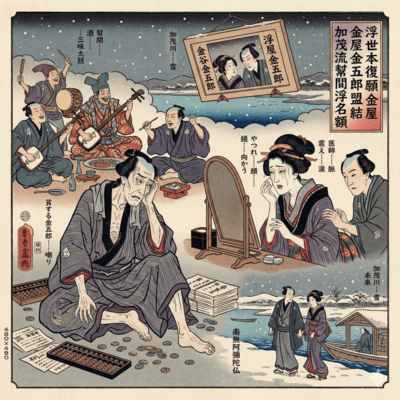 Ukiyo Honpukunegai Kanayakingoro Chikaimusubu Kamononagare Taikomochi Ukinanogaku Sampling 8-1-0
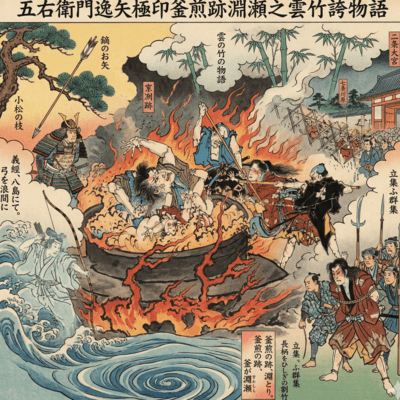 Goemon Ichiya Gokuin Kamairi Ato Fuchise No Kumonotake Hokori Monogatari Sampling 8-1-0
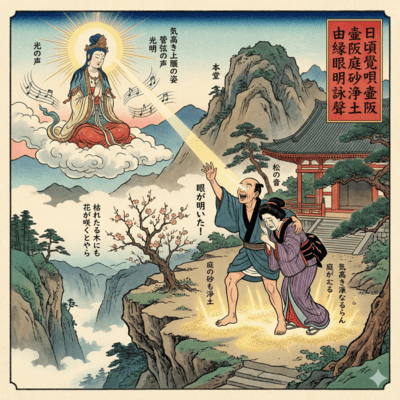 Higoro Oboe Uta Tsubosaka Niwa Isago Jodo Yuen Meaki Eisei Sampling 8-1-0
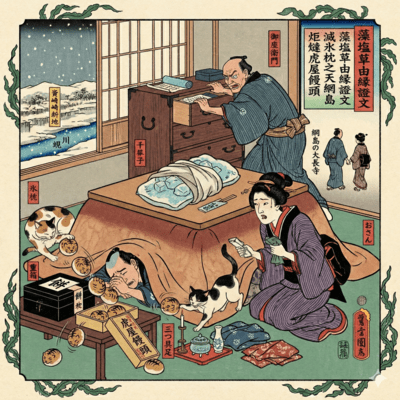 Moshiogusa Yuen Shomon Metsu Koorimakura No Tennoamijima Kotatsu Torayamanju Sampling 8-1-0


Share this Page
SNS


Copy URL
https://linkco.re/NMBhhzmECopy Embed Code
<iframe src=https://linkco.re/embed/NMBhhzmE width="300" height="600" frameborder="0"></iframe>