


Track List


※ Preview may take some time.
※ Preview is not available for songs under copyright collective.
Inspired by Ki Kaion's "Kanaya Kingoro Ukina no Gaku" (1702), also known as "Chikai Musubu Ukina no Tategaku" (Plaque of Entanglement).
This three-volume puppet theater play premiered at the Toyotake-za Theater in Osaka in 1702 (Genroku 15), based on the love story between the real-life kabuki actor Kanaya Kingoro and the bathhouse hostess Ukino Kosan, who lived during the Genroku period. This play is a representative example of the "Kosan-Kingoro" genre, which dramatized scandalous love affairs of the time. Its success led to numerous subsequent kabuki plays and kasai-bon (traditional Japanese folk songs).
The play tells the love story of Kosan, a resident of Shinmachi, Osaka, and his regular customer, Kanaya Kingoro.
Their relationship became a source of public acclaim, but financial and obligational ties drove them into a corner.
Words such as "miuke" (purchase), "kane" (money), and "fugi" (adultery) appear throughout the story, suggesting that the couple will either seek financial means to be together or will be thwarted by obstacles.
At the climax of the story, the "michiyuki" (travel) and "ukina no gaku" (plaque bearing their illicit fame) seem to suggest that their scandal and love affair became the subject of public gossip (ukina), and that they became famous enough to be made into a plaque (such as a votive tablet or signboard), or that their names remained after their deaths.
Artist Profile
Sampling 8-1-0
CORT RECORDS / sampling8-1-0 I am a beast. Updates will be a bit slow for a while. All revenue from this channel and other subscriptions will be donated to Weisser Ring. Its a group of people, but there are definitely some tracks where I am actually singing myself Bluuuuu. Only enjoy make Sound Making, Idea, Not all statements, but artworks. There are no plans for promotions or collaborations with anyone. This is a space for my hobbies. I apologize for not connecting it to other platforms, SNS. This does not represent my personal views or those of my workplace. All of them are demos, SSDs? Treasure that looks like trash and not complete packages, but it's up to everyone to listen and practice. The content here is created using programming or AI. However, we have deliberately narrowed the topics to those that are worth creating using DTM. Therefore, the revenue will be donated to the Weisser Ring and National Network Victim Support. The copyrights to these songs are centrally managed by a copyright management organization. For inquiries, please contact grooveon704@gmail.com (For more details, see the Unmanaged Works Ruling System (effective April 2026)) https://www.bunka.go.jp/seisaku/chosakuken/seidokaisetsu/chosakukensha_fumei/tyosakubutsu/index.html
Sampling 8-1-0の他のリリース
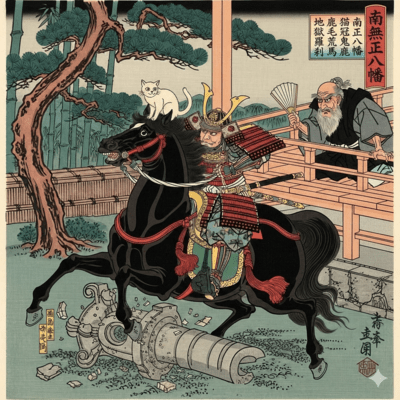 Namu Shohachiman Nekokaburi Onikage Arauma Jigoku Rasetsu Sampling 8-1-0
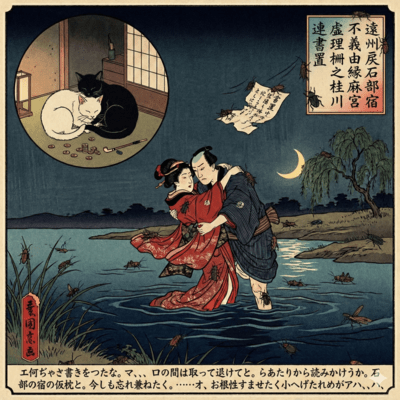 Enshumodori Ishibejuku Fugi Yukari Maronomushi Renrinoshigarami Nokatsuragawa Sampling 8-1-0
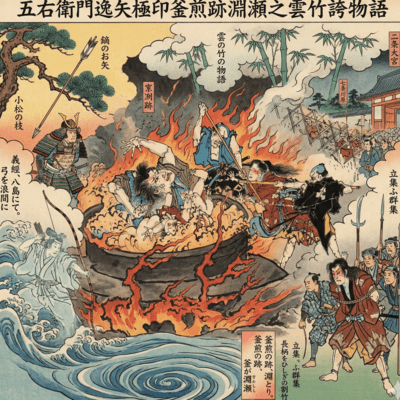 Goemon Ichiya Gokuin Kamairi Ato Fuchise No Kumonotake Hokori Monogatari Sampling 8-1-0
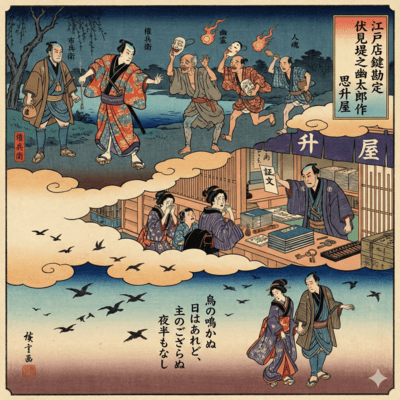 Edodana Kagi Kanjo Fushimidutsumi No Yu Tarosaku Omoimasuya Sampling 8-1-0


Share this Page
SNS


Copy URL
https://linkco.re/XbfPb0epCopy Embed Code
<iframe src=https://linkco.re/embed/XbfPb0ep width="300" height="600" frameborder="0"></iframe>